
Motion and Movement
From Ki's Corner: The magic of movement


Hi, Bonjour!
Welcome back, Happy Thursday!! Welcome to Ki Corner. In this part of the world, I write about all things from being a freelance artist to my daily life. This week I want to dive into something a bit more technical. Movement in character design. I think one of my strongest skills in illustrating is how I convey movement. When I create new characters, I think movement and body language is key when designing characters. So let's go back to the basics and understand how we can achieve this in our own work.
Back to basic
So if you didn't know already, I used to work as in animation. You learn a lot from the other artists on your team or even on specific projects. So you tend to pick up some basic character design tips here and there. I mean your characters are interacting with the space around them so it's key to understand how some of your characters move about. I've also dabbled in animating characters as well. I’m certainly not the best but I understand the basics of animation principles and can use this to my advantage when illustrating. How a character moves in the world. From how it affects their personality to interesting habits they might have. All of this can influence character design and storytelling.
What if you don't have an animation background? How can you create movement in your drawing?

Study actual people
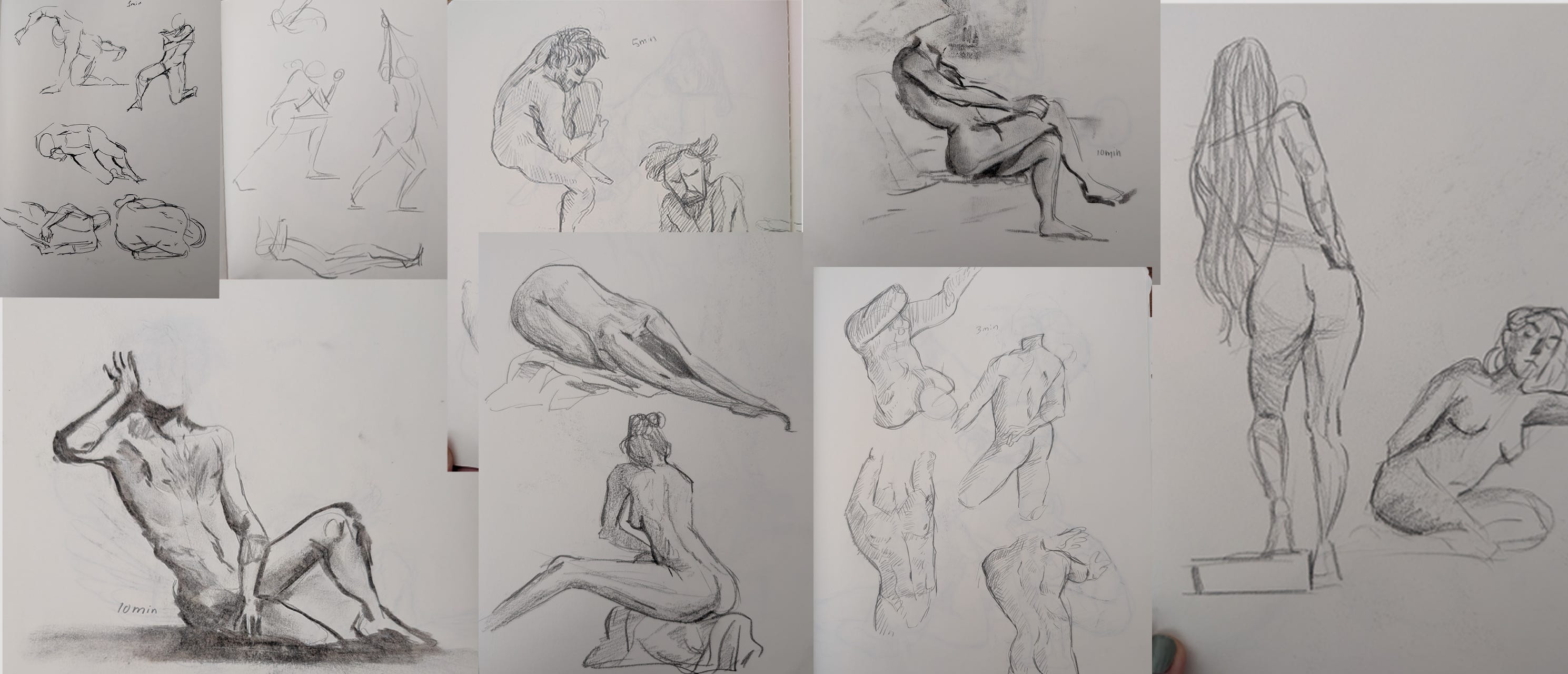
Whether it's through life drawing, you need to know how the human body moves and flows to better understand how to illustrate it.
Take Life, drawing classes,
Photography studies is my preferred way I find a lot of cool references on Pinterest.
Filming yourself and studying the movement, a lot of animator film and act out their scenes to get the most accurate depiction of movement.
People watching
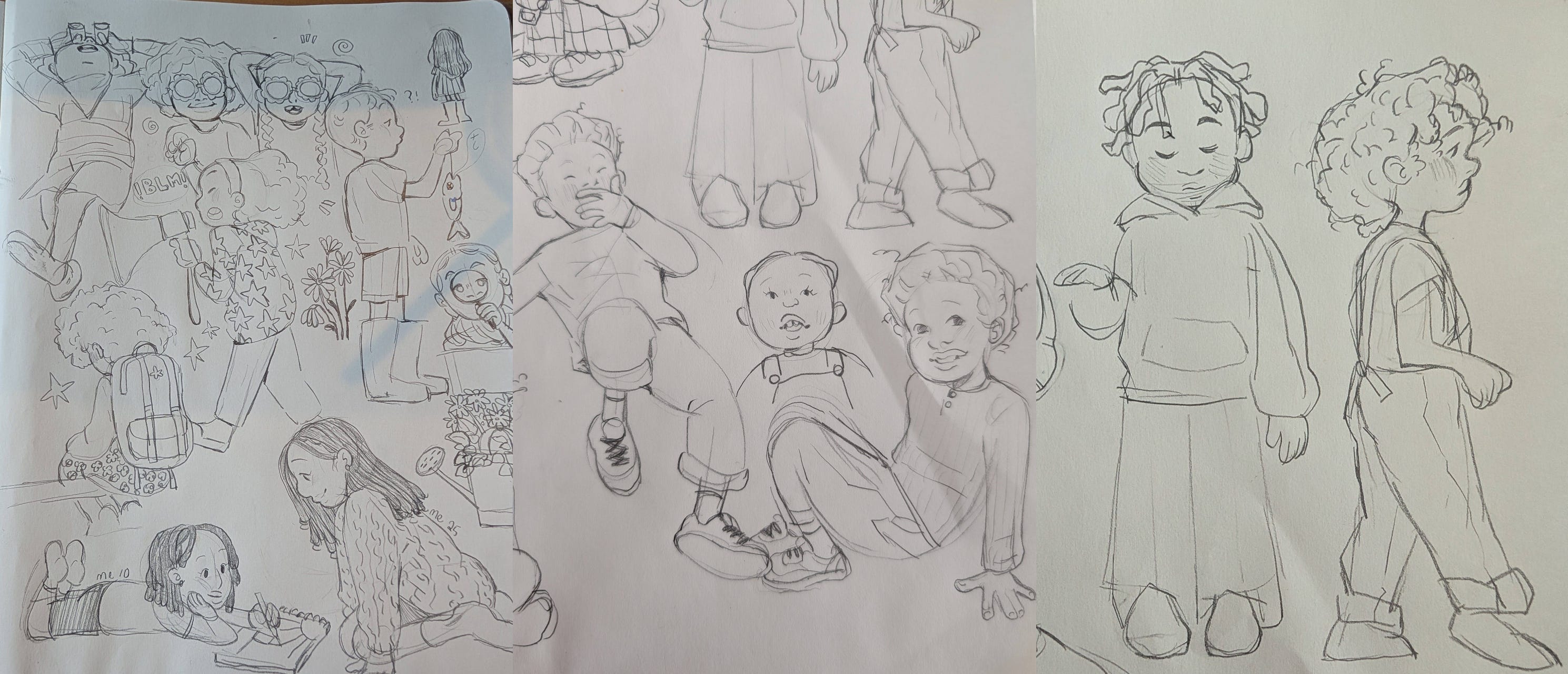
Something that maybe we can't always get from life drawing or photos, is the art of people watching. Ever since I was young I've always been an observer, I like watching people interact with each other. I have it saved in a reference folder in my brain and I hold on to them for when I get back home I put it on paper. You can do this pretty much anywhere like:
in the metro
with friends and family
at coffee shop
even at your local bar
Emotion is always a great way to illustrate movement, and what better way to achieve this than to watch the people around you.
Dance! moving my body
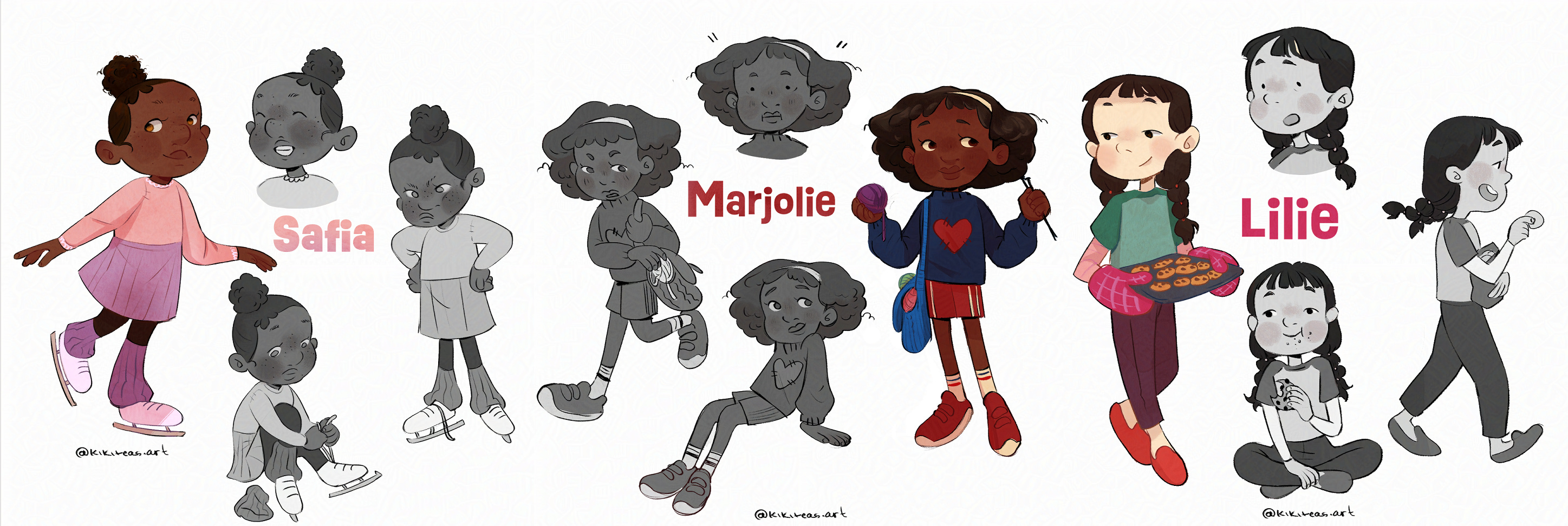
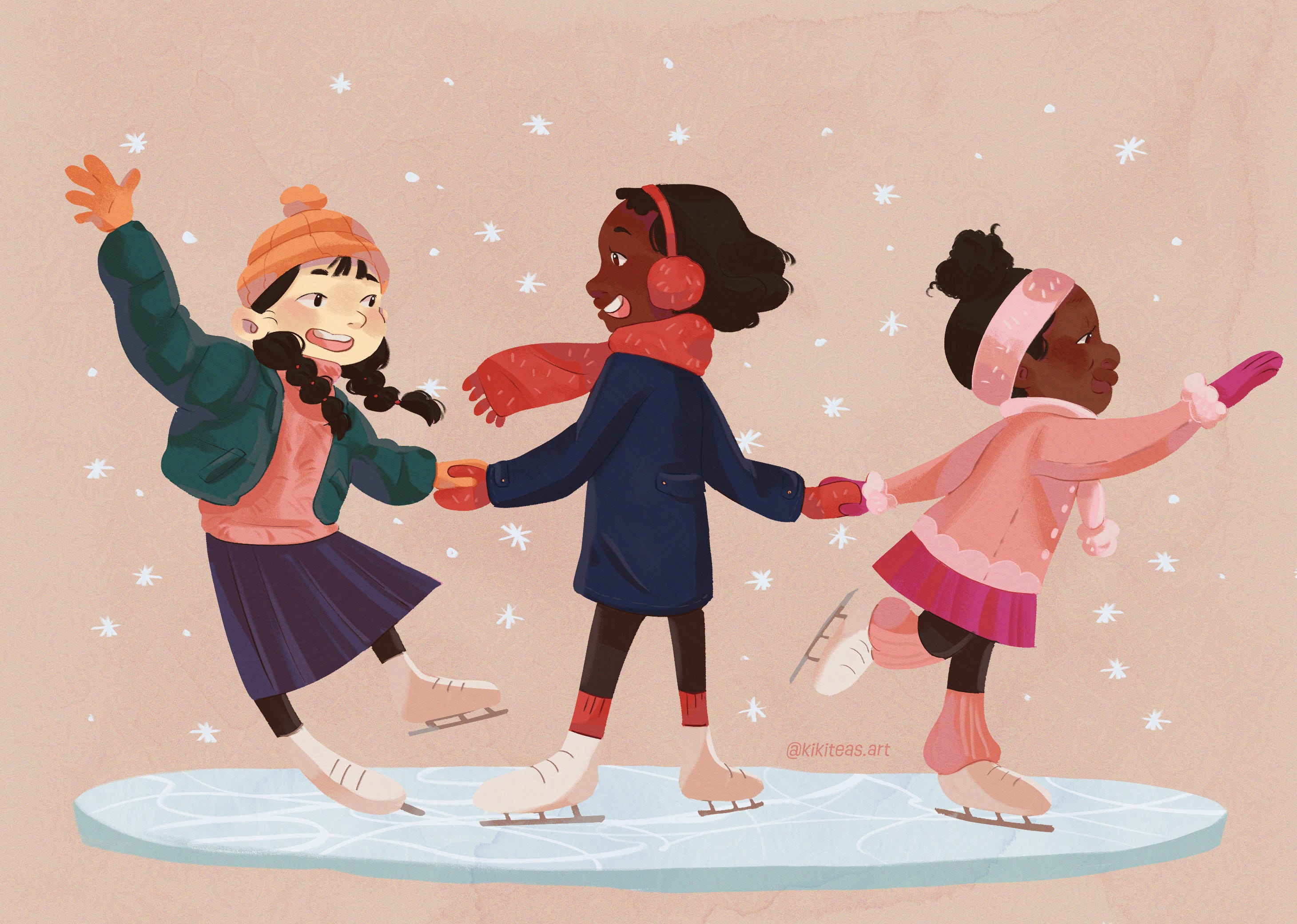
A more personal one. A less obvious answer would be my love for dance, I think I really get movement down because I know what joints are moving when I dance. But you don't need to be a dancer to get this down. Exercising, going on walks even cuddling your cat are ways you are moving your own body! I draw all my characters as if they were on stage performing. Yes even when they are standing still. Your canvas is the stage and the actor is the characters, let their light shine on that page.
Study the master
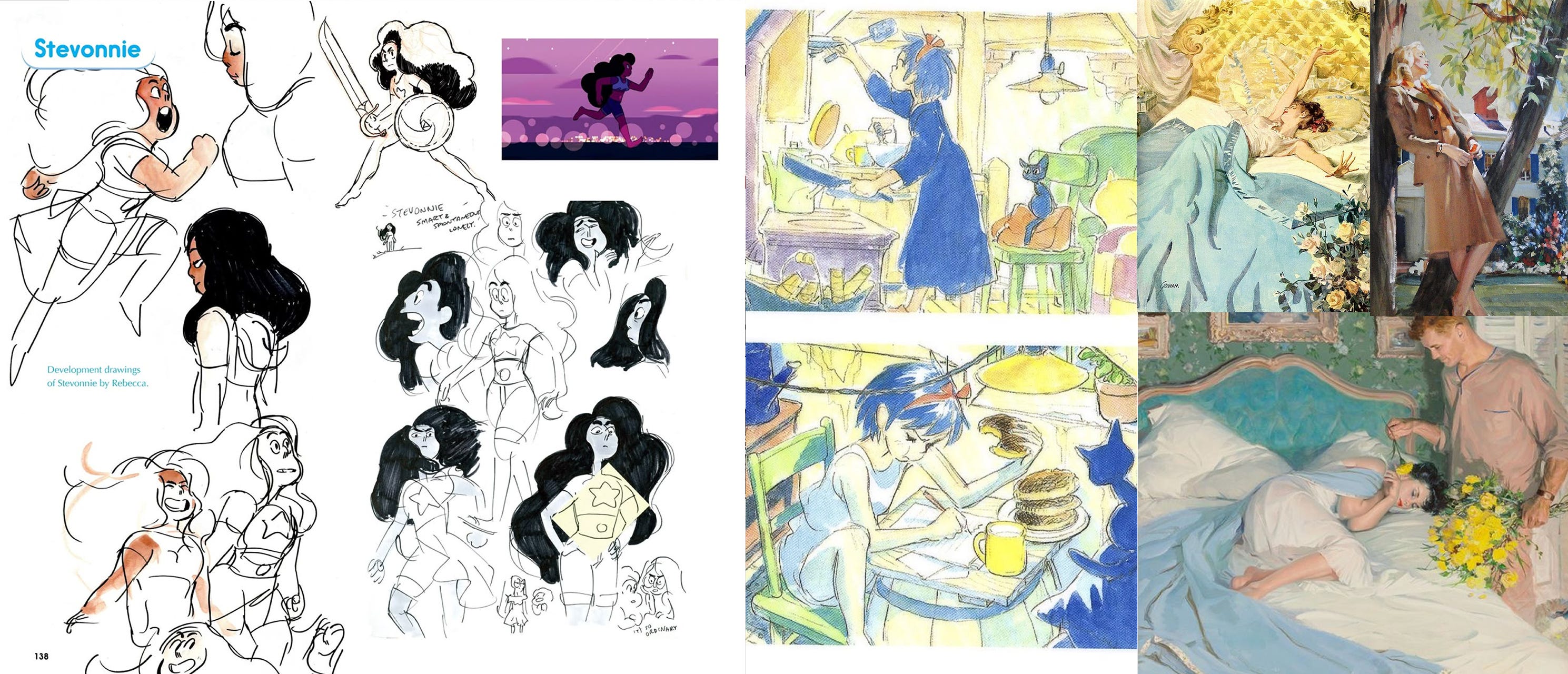
Studying movies and TV show even older paintings that you like, is another way you can achieve movement in your illustration. I was a big fan of Cartoon Network, Disney, and Anime so my style and characters reflect a lot of the shows I'm into. Some of my favourite shows to reference would be
Steven Universe, the way dance and magical girl transformation are implemented into the story is so visually appealing to me.
anything Studio Ghibli, Hayao Miyazaki is a master in character movement, everything feels so light and airy. Even when things are intense, it's still really graceful.
John Gannam, illustrations are reflective of the old 60s ad illustration. Look at these women just lounging around they are so full of movement.
Exaggerate
Once you've understood the basics of anatomy and technique. One of the 12 animation principles that I absolutely love is Squash and stretch
Squash and Stretch (S&S for short) is the animation principle of applying a contrasting change of shape to give a sense of flexibility and life in animation. Otherwise, the absence of squash and stretch could cause rigidity or stiffness to the motion. The transition from a proper Squash pose to a Stretch pose, or vice versa, breaks the perfect solidity that CG animation often gives to everything.
Even a subtle amount of Stretch and Squash can make a big difference to movement by adding a little elasticity to the object's material. Therefore, the object does not look stiff like a rock-hard ball. - Frank Thomas, Ollie Johnston, and others
Squash and stretching are my favourite ways to really push some of my poses. For example, when characters are crouching, low to the ground, bending I squish them to really emphasize that gesture. When a character is extending their body, or showcasing big emotions you'll stretch that gesture! These rules are interchangeable and can really vary from what you are trying to convey. But keep this in mind when sketching and drawing and I promise you you'll see a difference.
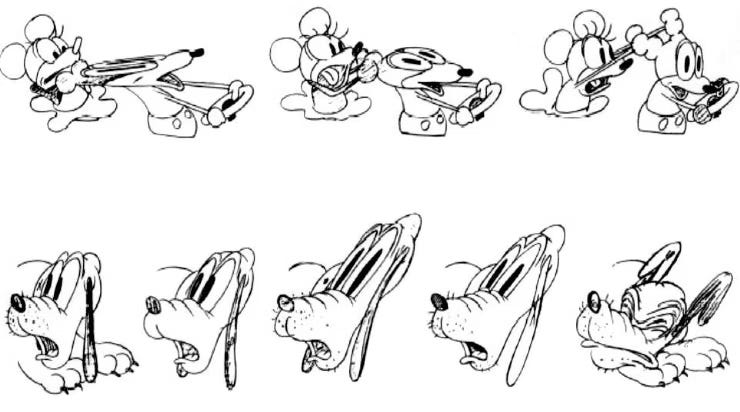
12 Principles of Animation - Squash and Stretch
CA 1. Squash & Stretch - 12 Principles of Animation

Thanks for reading. I'm not sure if this was helpful in any way. I'm not the best at explaining my process but I want to try and communicate how I go about drawing my characters. This is almost second nature to me, so It's interesting to put it on the page like this!. Hope this was helpful, feel free to share if you end up using these tips in your next piece! Let me know if you would be interested in more of these little artists tid bit!
Bisou ♡
Wanna support my work? :) You can also follow me on:
This was such a wonderful read!!<33
Omg I must know Safia and Lillie better! I want to read all whole YA heavily illustrated book about them!🥰